

Emerging Specialties in Architecture: Where the Jobs Are Growing
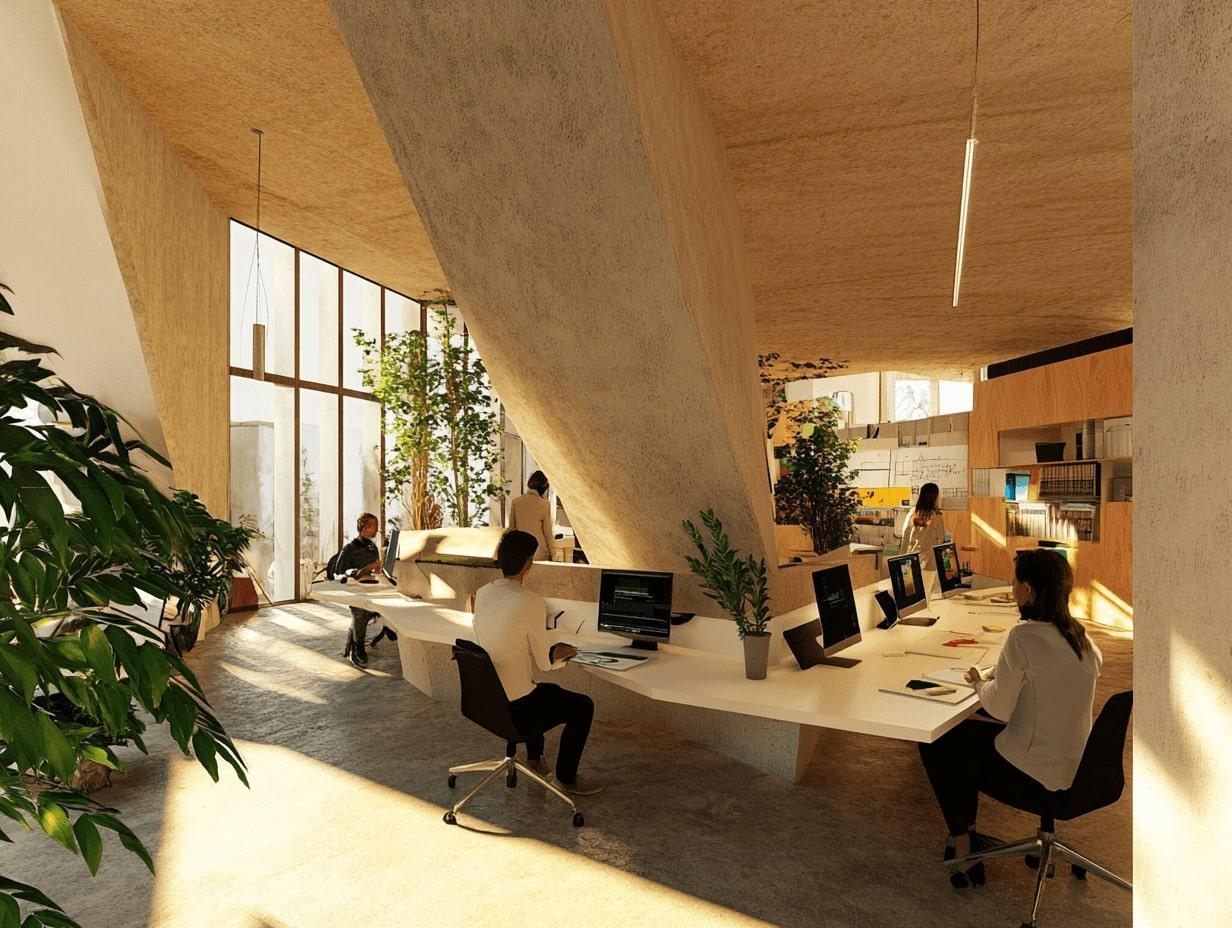
The field of architecture is in the midst of a rapid evolution. Urgent environmental challenges, rising urban density, and a proliferation of new technology are reshaping how we design and build, and that’s bringing similar shifts to architecture job trends. From sustainable systems integration to virtual design and construction, emerging architecture career specialties are expanding what it means to be an architect today. These shifts aren’t just flash-in-the-pan trends. They represent a fundamental change in the core skill sets that design firms and architecture recruiters look for in the talent they hire.
For candidates, the first step to meeting this new demand is to understand the emerging architecture jobs that are gaining momentum in the industry. This article will highlight the specializations that are becoming increasingly essential to modern practice and how these changes will influence the best architecture careers for the future. Whether you’re a recent graduate or a mid-career professional, understanding the architecture specialties in demand can help you to stay competitive and future-proof your career in this ever-shifting design landscape.
What’s driving change in architecture hiring trends?
One of the reasons that the top in-demand architecture jobs are changing so rapidly is that multiple major shifts are hitting the industry at once. That’s fueling the rise of several new specialties concurrently. For starters, sustainability and green design mandates are pushing firms to prioritize carbon reduction and climate resilience, while the growing adoption of global rating systems like LEED and WELL are raising expectations for low-impact, energy-efficient buildings. This is prompting the growth of sustainable architecture careers and demand for architects with skills in environmental modeling, passive design strategies, and carbon-neutral materials.
Alongside this, architecture (like many industries) is undergoing a rapid digital transformation. Tools like parametric design, digital fabrication, AI-assisted planning, and Building Information Modeling (BIM) are changing how projects are conceptualized, documented, and coordinated. To take full advantage of these new tools, firms need architects who can seamlessly integrate these technologies into their design and collaboration processes.
Rapid urban growth has an impact here, as well. As cities get denser and available land more scarce, new construction projects may not be feasible—or may demand a higher investment than clients and developers are willing to make. This has more firms turning their focus to repurposing existing structures and infill development, and has prompted a growth in architecture job openings in adaptive reuse, as well as urban design and planning jobs. These roles call for knowledge of zoning laws, historical building methods, and creative strategies for updating aging spaces.
Another important factor is the change in what communities want from the spaces around them. There’s rising interest in environments that are comfortable, healthy, and accessible—and that genuinely reflect the identity and needs of the people who live and work there. Architects with experience applying user-centered research methods are better equipped to design spaces that genuinely serve the people who use them.
Taken together, these four factors are both creating new careers in architecture and design and redefining traditional roles. To succeed in the field still requires strong design fundamentals, technical drawing proficiency, building systems knowledge, and familiarity with materials and construction methods, but those skills alone are no longer enough for the most lucrative architecture fields. The profession is expanding, and architects who succeed are willing to grow, as well.
What are the top architecture specializations in 2025?
In a recent National Council of Architectural Registration Boards (NCARB) Analysis of Practice Study, 74% of the licensed architects they surveyed responded that specializations can lead to career advancement. When asked what specializations are likely to be important in the next 5 years, adaptive reuse, sustainable design, and digital design software/BIM all featured in the top 5. Another industry report indicated the demand for BIM (Building Information Modeling) careers is likely to grow by 13% in the next 5 years. Let’s take a closer look at some of the emerging architecture careers with strong job growth.
Sustainable and green building design jobs
Governments around the world are introducing stricter energy efficiency and carbon reduction standards, resulting in many organizations having more stringent ESG commitments that they have to meet. And government agencies aren’t the only ones with this focus. Building owners increasingly want designs that lower their long-term energy and operating costs, while individuals have a growing concern with sustainability and want to give their business to companies that share it.
This has put sustainable design among the fastest growing jobs in architecture and positions architects with this expertise as essential contributors on many design teams. Architecture firms aren’t the only ones hiring these professionals. Real estate developers, municipal planning departments, and nonprofits focused on urban sustainability or climate adaptation are also in need of green design experts who have knowledge of building science, energy modeling, building performance analysis, sustainable materials, and systems that support energy efficiency.
Obtaining certifications in sustainable and green design is one way for architecture professionals to position themselves as strong candidates for these roles. The U.S. Green Building Council LEED Green Associate or LEED AP credentials are the industry standard for green building design. Other well-regarded certifications include WELL AP and the Passive House Institute’s Passive House Designer or Consultant certificates.
Adaptive reuse and historic preservation
Repurposing existing structures is typically far more environmentally friendly than building new. This approach reduces the waste that ends up in landfills, avoids the carbon cost of new construction, and is often cheaper, too. This is why many cities are now repurposing old mills, factories, and historic storefronts into commercial or community spaces. By employing adaptive reuse architecture, cities can preserve their history and heritage while bringing new life to neighborhoods.
Industry projections estimate that over the next 10 years 90% of real estate growth will involve adaptive reuse of existing structures rather than new construction. This growth is already in progress—in 2024, developers across the United States created nearly 25,000 apartments through adaptive reuse, doubling the total created in 2022.
Excelling in this area starts with a strong understanding of building codes, especially those governing existing and landmark structures. Knowledge of historical construction methods and the ability to balance functionality with preservation are also valuable. Professionals can demonstrate their proficiency with certifications like a Historic Preservation Certificate, which is offered by many universities.
Healthcare and wellness design
Aging populations and rising healthcare needs mean an increased need for hospitals, clinics, and wellness centers. Alongside this, there’s an increased focus on the patient experience and overall well-being. Healthcare facilities are moving beyond functionality, aiming to become healing environments that make use of biophilic design to promote holistic wellness of their patients.
Healthcare architecture jobs aren’t only available through design firms. Government agencies that oversee healthcare infrastructure, healthcare systems, hospital networks, and senior living developers are among the other organizations that hire professionals with experience in designing and building wellness-focused spaces.
Securing one of these architecture jobs with high demand starts with having a strong understanding of wellness-oriented design principles like daylighting, acoustics, and biophilic design. It requires similar expertise in healthcare codes and regulations, as well as experience with evidence-based design and patient-centered planning. The Evidence-Based Design Accreditation and Certification (EDAC) from the Center for Health Design is one way to demonstrate this expertise to employers.
Digital design and BIM specialization
The shift toward data-driven design processes has prompted rapid growth in architectural technology roles related to digital design and BIM. Clients and developers today expect faster project delivery, higher accuracy, and seamless collaboration among multiple stakeholders. This makes BIM essential for clash detection, cost estimation, and lifecycle management in complex projects. Firms adopting advanced digital workflows need architects who understand both design and data and can model, analyze, and manage projects digitally.
Proficiency in BIM software like Revit, Vectorworks, or ArchiCAD is the first prerequisite for success in this area. The Autodesk Certified Professional in Revit certification demonstrates the kind of advanced proficiency that will catch the eye of a design firm or architecture recruitment agency. It’s also beneficial to have knowledge of digital design and visualization tools like Rhino and Grasshopper, an understanding of project collaboration workflows, and the ability to create parametric or algorithmic designs.
Urban design and resilient planning
Rapid urban growth, combined with the impacts of climate change, has made resilient and sustainable city planning a priority. Many cities are now investing in things like green infrastructure, flood protection, climate-ready neighborhoods, and transit-focused development. These projects call for architects and planners who can blend design with community needs, environmental concerns, and large-scale infrastructure.
Working in this area doesn’t limit you to architecture firms. City planning departments, state and federal agencies, major real estate developers, and organizations focused on affordable housing or climate resilience frequently hire people with this background.
Across these organizations, hiring managers look for professionals who have mastery of urban design principles, regulatory frameworks, and zoning codes, as well as knowledge of sustainability and climate adaptation strategies. Skills like data analysis, GIS, and mapping are also valuable, as is the ability to collaborate in interdisciplinary teams, engage communities, and coordinate stakeholders. The Certified Urban Planner certification from the American Planning Association is one way to validate these capabilities as a professional.
Interior architecture and workplace design
Employee expectations have shifted in recent years, and this has driven a similar shift in how organizations design their workplaces. Companies are moving away from the traditional desk-centric layouts, redesigning their offices to better support collaboration and flexibility in the form of hybrid and variable schedules. Concurrent with this is the growing importance of employee experience and wellness as competitive advantages for attracting and keeping talent, which drives demand for human-focused spaces that pay thoughtful attention to worker comfort.
Together, these changes have driven growth in interior architecture specialities related to workplace design. These roles are ideal for professionals with a strong understanding of acoustics, lighting quality, and ergonomics, as well as skills in space planning and workflow design. A WELL AP certification from the International WELL Building Institute is one way for professionals to highlight their human-centered design skills, especially when paired with general interior design credentials like NCIDQ Certification.
Where architecture jobs are growing
The architectural services market in North America is expected to grow at an average annual rate of about 4.9% through 2030. However, that growth isn’t spread evenly across the industry. Recent AIA data shows that firms in the southern U.S. are projected to see the strongest revenue gains in 2025. Commercial architecture opportunities are also trending upwards, with firms specializing in institutional construction most likely to project gains of 5% or more in that same AIA survey. The healthcare and hospitality sectors are also seeing rapid growth and rising construction demand.
Globally, the Asia Pacific market is currently growing the fastest. Nations like Brazil and India that are currently experiencing rapid urbanization are also seeing a spike in demand for both residential and commercial construction projects. Even for architects located within the United States, the rise of remote design jobs could open up these international opportunities without the need to relocate.
Embracing emerging trends in architectural design
The goal of architecture has always been human-centric at its core. Architects create spaces that serve people. The emerging specializations highlighted here reflect those people’s evolving needs and expectations. Environmental pressures and changing community needs demand a different approach to design and a new set of skills from the professionals who create them. Architects who commit to learning new technologies and skills related to these emerging fields will position themselves to take full advantage of the architecture employment opportunities available today. The future of architecture lies in shaping resilient and inclusive spaces that serve the people and spaces they touch. Staying informed about where the profession is headed enables professionals to chart architecture career paths that are both impactful and future-ready.