

How to Tailor Your Portfolio for Different Architecture Roles
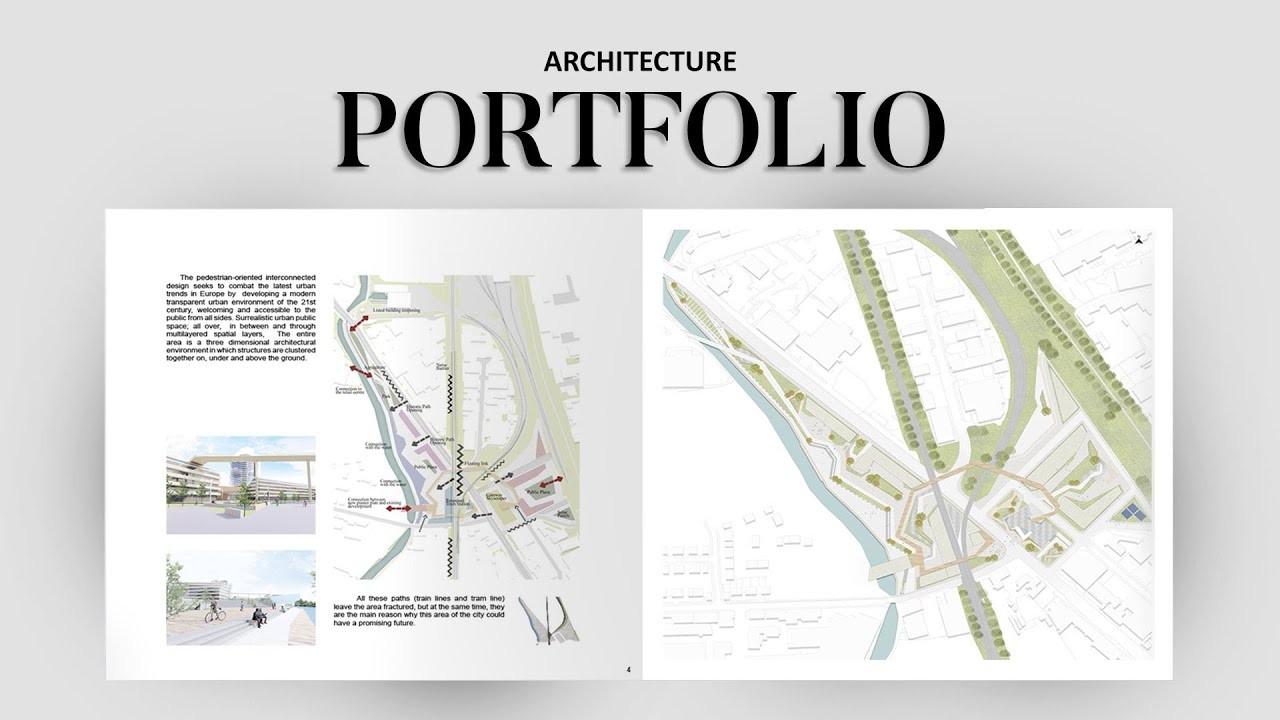
If you’re an architect looking for a new role, your portfolio is your first (and sometimes only) opportunity to demonstrate your design thinking and what you contribute to project teams. But one thing I’ve noticed working with candidates as an architecture recruiter is that even professionals who have a strong architect portfolio often make one critical mistake: they send the same portfolio with every application. This might feel like the most efficient approach but it’s not the most effective, and doesn’t usually align with how architecture firms actually evaluate candidates.
The thing is, different roles prioritize different skills, and you want your architecture job portfolio to reflect that reality. Hiring managers want to see whether you’re a good fit for their specific role and projects. The strengths they look for in a project architect, like documentation experience or technical leadership, won’t be as valuable if they’re hiring for a design-focused role—in that case, they’re looking for visual storytelling and design concept expertise. Standing out as an architecture candidate starts by understanding what firm leaders look for and adjusting your portfolio to match it.
How architecture firms review portfolios
One thing I’ve learned working with architecture candidates is that they don’t always understand how the architecture hiring process works behind the scenes. You might assume that your portfolio will be studied in-depth from start to finish—and it may be at some stage in the process, but in earlier rounds things are often much more compressed.
The first person to look at your architecture resume and portfolio may be a senior architect, internal recruiter, or other member of the HR team. Whoever is conducting this review, their goal is to narrow the candidate pool to the top candidates. Because of that, they go through the materials quickly, spending just a few minutes on each applicant, and they’re looking for immediate relevance. That means checking if the architecture portfolio reflects the type and scale of projects they work on and generally aligns with the role they’re filling. If those things aren’t immediately clear, the portfolio may get eliminated from contention even if the work demonstrated is strong overall.
Once a portfolio gets past this first screening, it will typically be sent to a principal, design lead, or project architect who is directly responsible for hiring. During this second review, the portfolio will get a more thorough review that digs into how the architect works. They’ll note details that demonstrate how you approach design and problem solving, and whether your experience matches the firm’s current workload. This is when clear project descriptions and concise explanations of your specific contributions are most important, since those help the reviewer picture how you’ll fit on their team.
There are some consistent things that firms look for in a portfolio for architects across review stages. For starters, relevance always outranks volume. If you’re not sure how many projects to include in an architecture portfolio, err on the side of being selective. A few well-chosen projects that are all strongly related to the role will be more effective than including everything you’ve ever worked on. When it comes to architectural portfolio design, clarity trumps polish. A layout that’s too stylized can distract from the work itself and end up working against you. Ultimately, you want to send a portfolio that is perfectly aligned to the role being filled, and signals your professionalism and readiness to contribute from day one.
Core elements of an architecture career portfolio
Now, there are some aspects of a strong architectural design portfolio that are universal, and that professionals should make a point of including regardless of what role they’re applying for. Before we get into the nitty gritty of what architecture employers look for in portfolios from specific roles, let’s take a look at what to include in an architecture portfolio regardless of your level or specialization. These include things like:
- A clear statement of your role on the introduction or cover page. Putting this information right up front helps recruiters and hiring managers understand your experience and ensures they evaluate your work in the right context.
- Concise project descriptions. This should include your role, any tools you used, and the ultimate outcome, as well as the broader context for the project. In other words, it should explain why the project existed, how you contributed, and what the results were.
- High-quality visuals. Architecture is a visual discipline, and this matters even in your architecture job application. Clean drawings, diagrams, and renderings show your attention to detail and demonstrate your competence and professionalism.
- An intentional layout. Similar to the visuals you include, your architecture portfolio layout influences how reviewers interpret your projects. An effective layout guides the reader through, reflects your design sensibility, and reinforces your strengths and career storytelling.
- Evidence of collaboration. Architecture is rarely a solo effort. While your architecture portfolio presentation should focus on your work, showing how you collaborated with clients, consultants, or coworkers shows your readiness to contribute within the firm’s workflow.
- Technical proficiency and software skills. Demonstrating command of industry-standard tools like Revit, AutoCAD, and Adobe Suite reassures employers that you can be productive quickly, without first needing to learn new tools.
How to tailor an architecture portfolio for different roles
Those items mentioned above are the bare minimum to meet architecture hiring manager expectations. Around those core elements are where it’s smart to personalize, both in regards to the projects you choose to include and how you present them. Let’s take a closer look at some architecture portfolio tips for job seekers at various levels and what tailoring your portfolio effectively can look like for each type of role.
Junior or entry-level architect
Nobody expects a junior architect portfolio to show mastery. Firms know that early-career candidates have limited real-world experience and are hiring for potential, not perfection. Don’t let self-consciousness over your limited resume lead you to make common mistakes, like overstating your past roles or including every project you’ve ever worked on.
The main thing you want to show in your portfolio as a junior architect is foundational design thinking. Employers want to see that you understand spatial reasoning, scale, and concept development, even if you show this through academic projects. Also demonstrate basic technical competence and show that you can think critically and iterate by explaining how you arrived at your solutions. Finally, highlight what you learned from each project you include. This demonstrates your growth potential and reassures employers that you’ll be able to adapt to their tools and workflow.
Design Architect
Firms hire design architects to shape the vision of projects, not just execute tasks. Because of this, the primary goal of a design architect portfolio is to show that you have a clear and consistent design voice and can develop original design ideas. Hiring managers look for a strong point of view, conceptual leadership, and the ability to translate abstract ideas into the real world.
When developing an architectural designer portfolio, make sure you show the intentional choices and reasoning behind your design decisions. Use project descriptions to demonstrate that you can explain complex ideas succinctly, and employ diagrams to clarify your thinking. A clear concept statement at the start of each project can also help to frame the work and help viewers to understand your intent.
Project Architect
With project architect roles, the emphasis shifts from design authorship to project execution. Firms hiring at this level want to see that candidates can successfully guide a project from design development through documentation and construction. A project architect portfolio should demonstrate a strong grasp of the full design-to-delivery process and your ability to lead within collaborative teams, even if you did not hold the official project manager title. At this level, technical accuracy matters. Employers want to see work that supports constructability and helps minimize costly rework.
For each project you include, include a short role summary near the title to set expectations, and specify what you handled in each project phase. This helps clarify the scope and depth of your work. In a similar vein, note the size and reporting structure for each project team, as well as your position within that project hierarchy and whether you led junior staff or coordinated directly with consultants. Construction documentation examples are useful in this type of portfolio, as well, proving your readiness to produce buildable work.
Technical Architect
A technical architect portfolio isn’t about selling a design vision. Instead, what employers want to see from these portfolios is that a candidate can make a concept buildable and compliant. Your portfolio should answer questions like whether you can translate design intent into construction documents, if you understand how buildings actually go together, and whether your drawings will reduce RFIs and change orders.
You can do this by going into more depth on fewer projects. Emphasize construction documents, detailed assemblies, and projects that deal with code compliance or systems complexity. Use visuals as supporting elements rather than the main content, and use notes and callouts to explain why you made certain choices. It also helps to include BIM examples that demonstrate you understand how BIM works as an ongoing process, not just a piece of software.
Tailoring your portfolio by practice area or specialization
Just like a junior architect will include different projects than a senior architect portfolio, the types of projects you work on and your specialization as a professional will make a difference in how you curate and design your portfolio. One of the biggest portfolio mistakes architects make is not understanding how recruiters evaluate architecture portfolios. In most cases, they aren’t looking for general competency. They’re hiring for specific markets and project types, and you’ll have the highest odds of success if your portfolio makes it clear why your skills are relevant.
Use this as your guiding principle when you’re selecting projects. If you’re putting together a residential architecture portfolio, for instance, you want to choose projects that show your sensitivity to client needs and knowledge of regulatory constraints like zoning and historic districts. On the other hand, a commercial architecture portfolio should show systems thinking and comfort with BIM workflows.
This same wisdom applies in other disciplines as well. A strong landscape architecture portfolio demonstrates knowledge of site analysis and ecological understanding, while interior architecture portfolios should balance technical coordination and spatial planning with user experience.
One last tip: some projects can work for multiple types of portfolios, but you’ll still want to frame them in a different way. A mixed-use project may fit an urban design portfolio when you focus on zoning context and social or environmental considerations, or can be positioned for residential roles by highlighting materials, detailing, and the way client input shaped the design. It all comes down to which aspects of the work you emphasize and whether it matches with the skills and projects the firm needs to hire for.
Tailoring your architecture portfolio
A professional architecture portfolio is most effective when you treat it as a strategic career tool instead of a collection of projects. Tailor your portfolio with intention so it highlights not only your past work, but also the value you can bring to a team today. When you align your architecture portfolio to each role, it becomes easier for firms to imagine you in the position they need to fill and it signals professionalism and self-awareness, qualities that matter just as much as technical skill and design ability.
My architecture recruiter advice is to think of your portfolio as a living document that evolves for each opportunity. Curate it intentionally, and consider creating role-specific versions when applying to different firms. When you have this kind of focused portfolio, that helps ensure that you’re considered for roles that truly match your experience and career goals.